
When a child is walking through a hard season, the way we engage with them matters deeply.
Children in crisis may be carrying fear, grief, confusion, loyalty, anxiety, or stress that they do not yet have words for. They may be entering a new home, meeting new adults, adjusting to new routines, or trying to make sense of things that feel overwhelming.
As you serve kids with Alongside Families, some simple mindset shifts on your part can go a long way to help them feel safe and seen. Here are five mindset shifts to strengthen how you serve vulnerable children.
1. “This story is not mine to share.”
When we care about a child, it is natural to feel burdened by what they are walking through. Sometimes the details of a family’s crisis are heartbreaking, and we may want to process them with a friend, small group, or relative.
But a child’s story belongs to the child and their family.
The details of homelessness, domestic violence, addiction, trauma, or family conflict are not ours to repeat. Even when we are asking for prayer, we should be careful to share only what is necessary and appropriate. A simple prayer request like, “Please pray for peace, stability, and comfort for a child staying with us this week,” is often enough.
This protects the child’s dignity. It also protects the way others see and interact with that child and their parent.
We know volunteers need space to process, too! Alongside Families staff and Family Coaches are available to do that with you. Lean into that support, while being a fierce protector of the child’s privacy outside of those spaces.
2. “Different does not mean less.”
Children may notice differences between your family and theirs very quickly.
They may say things like, “Your house is so quiet,” or “We don’t eat dinner like this,” or “My mom doesn’t have any car at all! We have to ride the bus and it takes forever.”
It can be tempting to respond with pity or to focus on what their family does not have. But children do not need us to unintentionally communicate that their family is “less than.” They need us to honor their experience while gently making room for differences.
You might say, “That sounds like a long bus ride. What do you and your mom usually do while you ride?” Or “Every family has different routines. I’d love to hear what bedtime is like at your house.”
We can validate what is hard without shaming their family. We can celebrate their traditions, routines, favorite foods, music, language, and family culture.
Different is not something to fix. Often, it is something to learn from.
3. “I can enter their world, too.”
When a child comes into our home or joins us for an activity, we often ask them to enter our world.
Our food.
Our schedule.
Our house rules.
Our bedtime routine.
Our church, family, and way of doing things.
Some of that is necessary. But dignity asks: How can we also enter their world?
This can be simple. Ask about their favorite meal and serve it for your family dinner one night. Let them pick music in the car. Learn the bedtime song their parent sings. Ask their parent about familiar routines, comfort items, or favorite games. Let the child teach your family something they love.
A child may feel more settled when they hear a familiar song, eat familiar food, or see that something from their life is welcomed into your home.
This communicates, “You don’t have to leave everything about yourself at the door to belong here.”
4. “This child has something to give.”
When children are going through a lot, we may want to make everything as easy as possible for them. That instinct comes from compassion.
But children, like adults, need to feel they matter. They need to know they are not just receiving help but are also a meaningful part of the community around them.
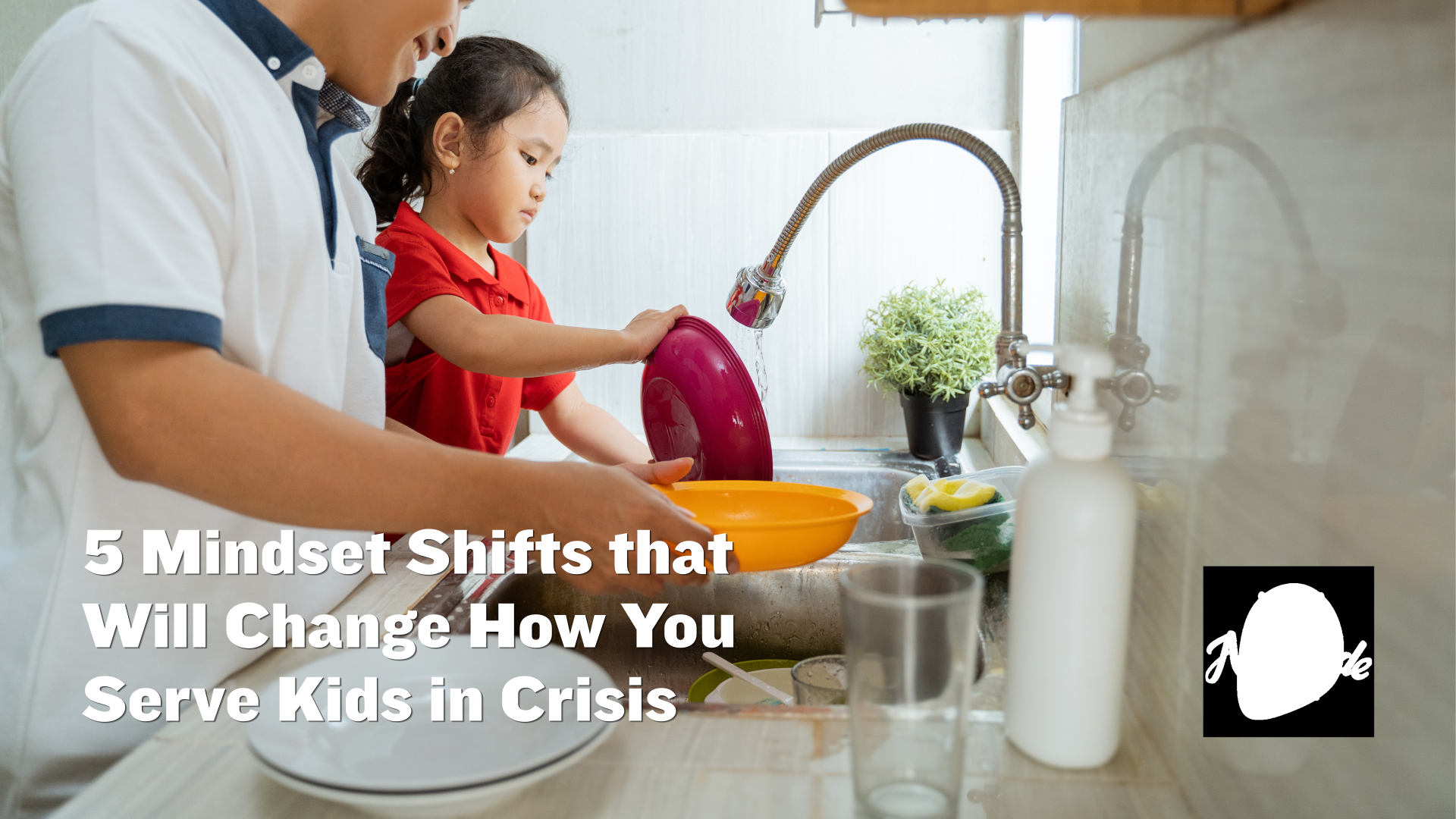
One way to do this is by giving them a small, age-appropriate way to contribute. Maybe they set the table, water a plant, unload the silverware from the dishwasher, choose a game for everyone to play, or help stir pancake batter on Saturday morning.
The goal is not to add pressure. The goal is belonging.
Be sure to show them how to do the task first. Do not assume they know how your household does things or that they have ever done the task you are asking them to do. Then offer plenty of encouragement: “That was so helpful. Thank you for being part of making dinner happen.”
Small responsibilities can communicate a big message: “You are needed here.”
5. “Safe means safe to them, not just safe to me.”
As adults, we may know that our home is safe. But a child’s body and brain may not feel safe right away.
This is especially true for children who have experienced trauma, instability, hunger, separation, or fear. A calm bedtime routine, a full pantry, or a friendly dog may seem normal to us, but may feel unfamiliar or overwhelming to them.
When a child has big feelings or difficult behaviors, get curious before getting frustrated.
Maybe bedtime is hard because nighttime has not felt safe before. Maybe mealtime brings anxiety because food has been uncertain. Maybe transitions are difficult because sudden changes have happened too often.
A helpful first step is to ask the parent, “Is there anything that helps your child feel safe when they are upset, hungry, or getting ready for bed?” Then look for small ways to create felt safety.
That might mean offering regular snacks, using a nightlight, explaining the plan for the day, keeping routines predictable, giving choices when possible, or letting the child know, “You can always ask me if you need something.”
A final word as you serve kids...
Serving vulnerable children with dignity takes intentionality:
Protecting their story.
Honoring their family.
Welcoming their world.
Inviting them to contribute.
Learning what helps them feel safe.
These are all things that can help create a space where they can breathe a little easier. In a season that may feel uncertain or scary, that kind of steady love can make a lasting difference.